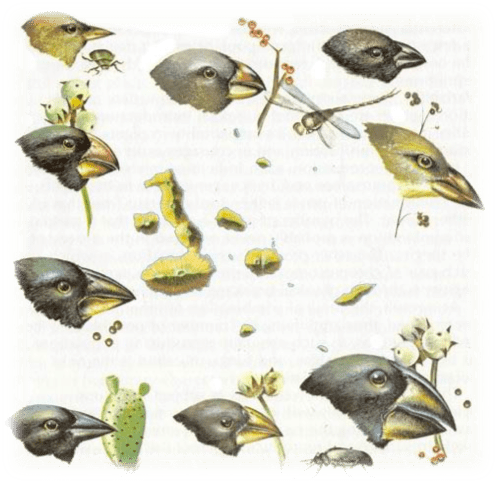
Darwin’s finches from the Galápagos archipelago have historic importance in the field of evolutionary biology as they provided some of the fundamental insights into processes of natural selection and adaptive radiation. Evolution in Darwin’s finches is characterized by rapid adaptation to an unstable and challenging environment leading to ecological diversification and speciation. This has resulted in striking diversity in their phenotypes (for instance, beak types, body size, plumage, feeding behavior and song types). Beaks are one of the most diversified features in these birds and are well adapted to the type of food they eat; ranging from fine needle-like beaks in warbler finches that are perfect for picking up insects; long, sharp and pointed beaks in cactus finches for probing into cactus or deep, broad and blunt beaks in large ground finches suited for cracking large nuts and seeds.
Till date, We have sequenced the genomes of > 400 individuals that encompasses all all currently recognized species of Darwin’s finches and their close relatives. The extensive genomic characterization has identified two major genes (ALX1 & HMGA2) that that contributed to beak diversification in these species and played a key role in adaptive evolution of finches.

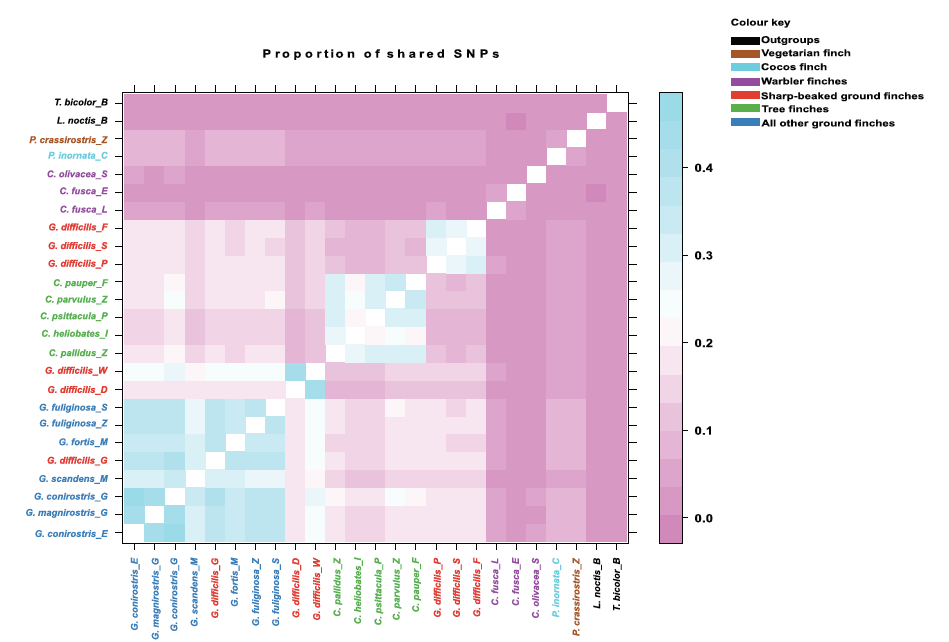
The genome analysis indicated extensive evidence of interspecies gene flow across the entire radiation and identified cases where hybridization gave rise to species of mixed ancestry. The results highlighted interspecies hybridization being crucial in maintaining genetic diversity and possibly played a critical role during the evolution of finches.
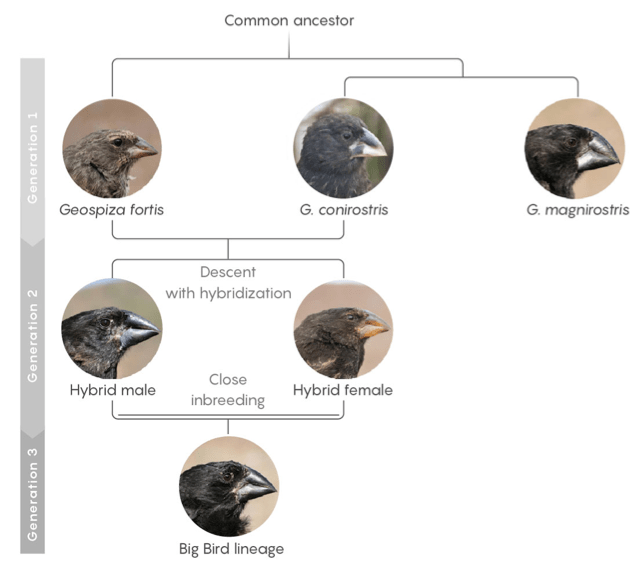
Our recent study has shown how such interspecies hybridization can even lead to rapid speciation and reproductive isolation, which typically develops over hundreds of generations, can be established in only three.
One key finding of our previous work has been the key role of inter-species hybridization in the evolutionary history of Darwin’s finches. Our current effort is geared towards better understanding of genomic footprints of ancestral and recent inter-species hybridization, their adaptive significance and the fate of hybrid species in the longer run.
 theomicslab.com